Concrete Fencing vs Traditional Fence Materials
People exploring concrete fencing vs traditional fence materials often seek durable, low-maintenance solutions, and local contractors can help determine the best option for their needs.
Property owners exploring fencing options often consider the benefits and drawbacks of concrete fencing versus traditional fence materials. This comparison is especially relevant for those seeking durable, low-maintenance solutions that enhance privacy and security. Whether for a residential yard, commercial property, or a public space, understanding the practical differences can help in making an informed decision. Local contractors specializing in concrete fencing can provide valuable insights and services tailored to specific needs, ensuring the chosen material aligns with long-term property goals.
As the conversation around fencing choices continues, many property owners find themselves weighing factors like longevity, appearance, and resistance to weather or pests. Concrete fencing offers a solid, robust alternative to wood, vinyl, or chain-link options, often requiring less upkeep over time. Local service providers experienced in concrete fencing are equipped to help evaluate these options, guiding property owners toward solutions that deliver lasting value and peace of mind. Keep reading to discover how concrete fencing compares to traditional materials and how local experts can assist in making the best choice.
- Concrete fencing services are ideal for those seeking durable, low-maintenance barriers that withstand harsh weather conditions, with local contractors specializing in custom designs and installation. When considering concrete fencing vs traditional fence materials, local service providers can advise on structural strength and longevity suited to specific property needs. For properties requiring high security and privacy, concrete fencing options are often preferred, and local pros can tailor solutions to meet those demands. If a long-term, minimal upkeep fence is desired, local contractors can install concrete barriers that resist rot, pests, and warping compared to wood or vinyl alternatives. Those looking for a permanent fencing solution that reduces future repair needs can rely on local pros to install concrete fencing efficiently and effectively.
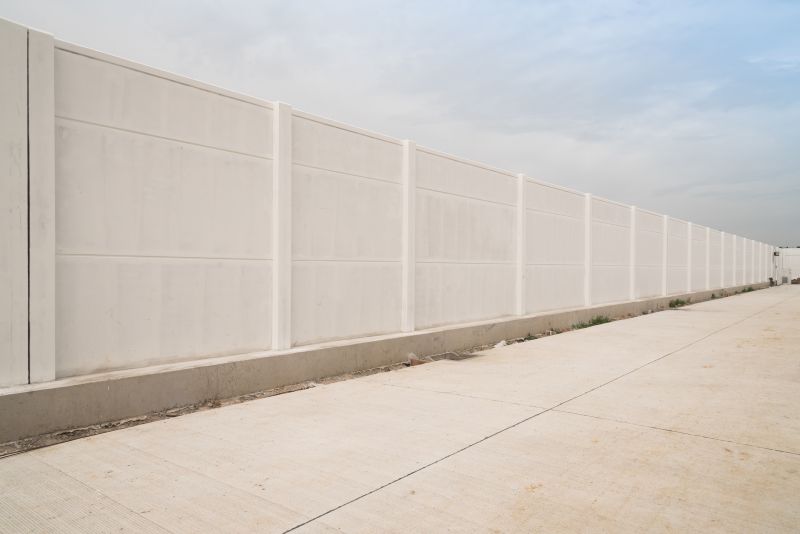
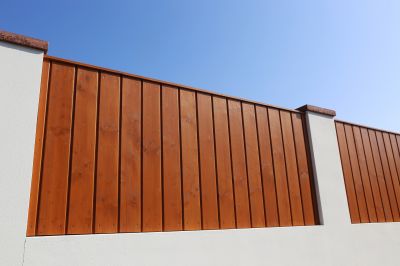
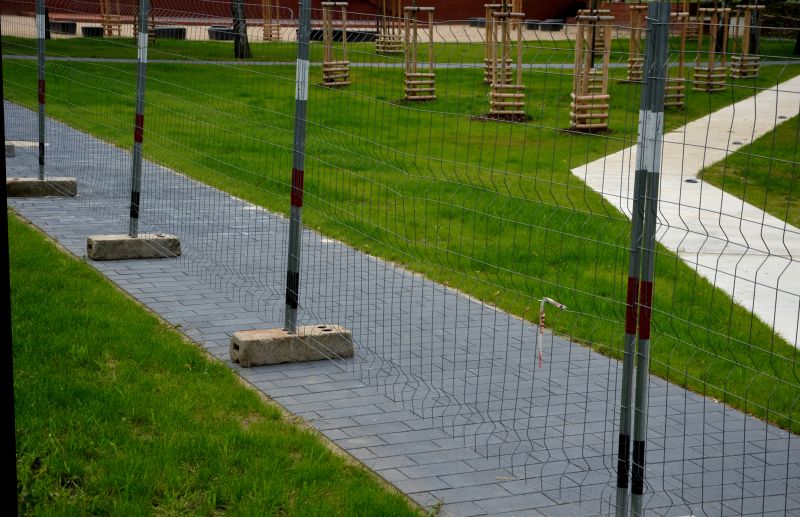
When homeowners search for information on concrete fencing versus traditional fence materials, they are often exploring options for property boundaries, privacy, and security. This comparison typically comes up during planning for new fencing projects or upgrades to existing boundaries. Many property owners want to understand the advantages and disadvantages of each type, considering factors such as durability, maintenance needs, aesthetics, and overall cost. The goal is to find a fencing solution that best aligns with their specific property layout, privacy concerns, and long-term investment plans.
This topic relates to a variety of property types, including residential homes, commercial buildings, and even some multi-family complexes. Homeowners with large yards or outdoor living spaces often consider concrete fencing for its privacy and soundproofing qualities. Commercial property owners might look at concrete fencing for its strength and security features, especially in areas where durability is a priority. Additionally, properties situated in regions prone to harsh weather conditions may favor concrete fencing due to its resilience, while others may prefer traditional materials for their aesthetic appeal or lower initial costs.
Understanding the differences between concrete fencing and traditional fence materials helps property owners make informed decisions about their fencing projects. Traditional options like wood, vinyl, or chain-link fences are often chosen for their variety of styles, affordability, and ease of installation. In contrast, concrete fencing offers a more permanent and low-maintenance solution, with options for decorative finishes that can complement various architectural styles. Local service providers specializing in concrete fencing can assist homeowners by providing insights into how concrete fences can meet specific property needs, whether for privacy, security, or aesthetic consistency.
Connecting with local contractors who focus on concrete fencing allows property owners to explore tailored solutions that fit their particular project requirements. These professionals can evaluate the property's layout, discuss durability expectations, and recommend the best fencing material based on the property's use and environment. Whether the goal is to enhance privacy, improve security, or add a durable boundary, local pros can help determine if concrete fencing or traditional fence materials are the right choice. This ensures that property owners receive expert guidance and quality installation suited to their property's unique needs.
Retaining wall construction - skills in concrete work and planning are essential for building durable retaining walls, similar to those used in concrete fencing projects.
Landscape border installation - installing landscape borders often involves planning and material handling skills comparable to those needed for concrete fencing systems.
Patio and outdoor living space projects - these projects require knowledge of foundation work and material selection, aligning with the expertise of concrete fencing specialists.
Foundation pouring and footing work - both involve precise planning and concrete handling, making them related to the skills used in concrete fencing installation.
Driveway and walkway construction - these projects demand similar planning, concrete mixing, and finishing skills as concrete fencing installations.
Privacy wall and barrier projects - building privacy walls with different materials shares planning and structural skills with concrete fencing services.
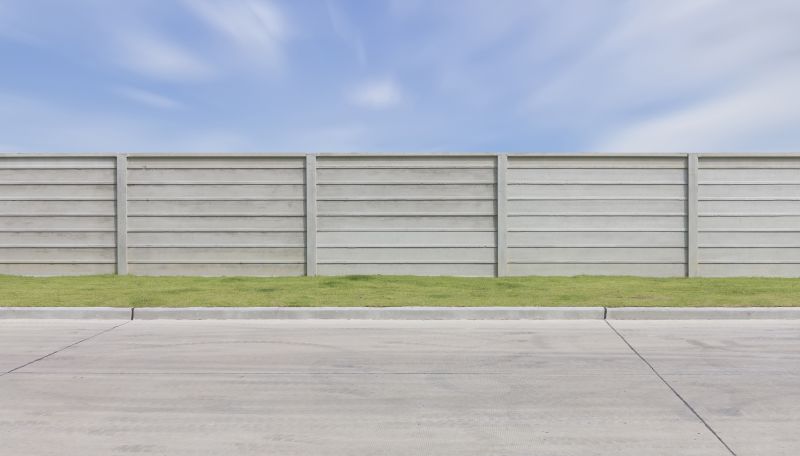
When comparing contractors for concrete fencing versus traditional fence materials, it is important to evaluate their experience with similar projects. Homeowners should seek out service providers who have a proven track record of installing concrete fencing, as this specialized work often requires specific skills and knowledge. Asking for references or examples of completed projects can provide insight into their expertise and help determine if they have successfully handled fences with similar design features, terrain, or durability requirements.
Clear written expectations are essential when choosing a contractor for concrete fencing services. Homeowners should ensure that potential service providers can articulate the scope of work, materials used, and the estimated process from start to finish. A detailed proposal or contract helps prevent misunderstandings and ensures everyone is aligned on project goals. When comparing options, pay attention to how well the contractor communicates details and whether they are willing to answer questions about the differences between concrete fencing and traditional options.
Reputable references and good communication are key indicators of a dependable contractor. Homeowners are encouraged to seek out reviews or testimonials from previous clients to gauge overall satisfaction and the quality of work. Additionally, responsive and transparent communication during initial discussions can signal a contractor’s professionalism and commitment to customer service. Choosing a service provider who demonstrates these qualities can lead to a smoother project experience and a final result that aligns with the homeowner’s expectations for concrete fencing services.
Property owners often search for concrete fencing vs traditional fence materials when they are planning practical projects around their homes and businesses. Local pros provide Concrete Fencing services for everyday jobs and straightforward project options.
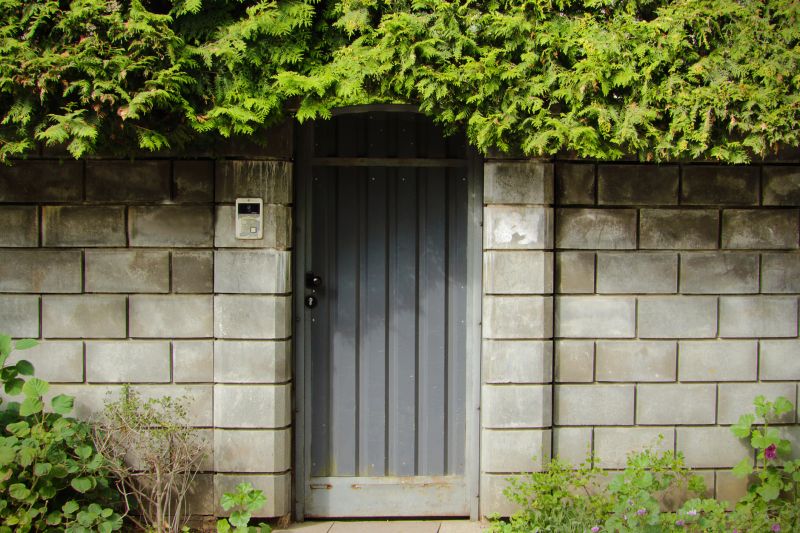
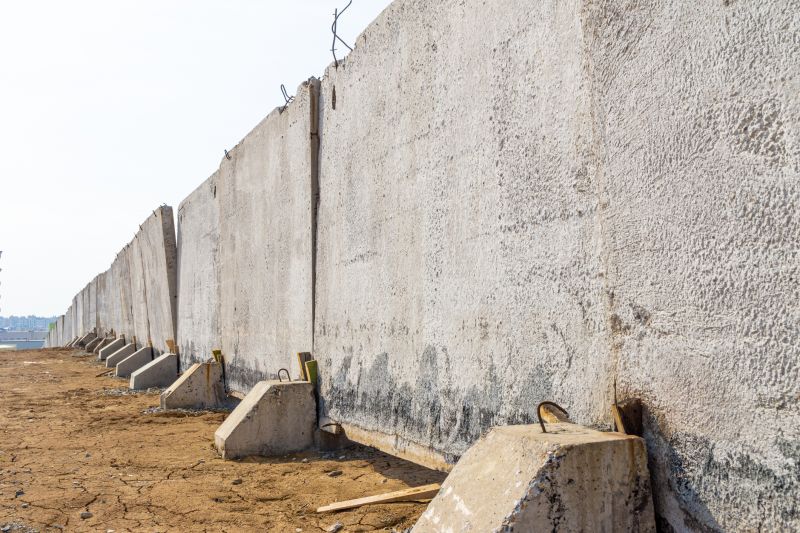
When considering fencing options for a property, many property owners in the area explore the differences between concrete fencing and traditional fence materials. Concrete fencing offers a durable, low-maintenance solution that can withstand harsh weather conditions and reduce the need for frequent repairs. Homeowners often look into this option when seeking a long-lasting boundary that provides privacy and security without the upkeep associated with wood or chain-link fences. Local contractors specializing in concrete fencing can help evaluate the specific needs of a property and recommend solutions that align with aesthetic preferences and functional requirements.
On the other hand, traditional fence materials like wood, vinyl, or chain-link are popular choices due to their affordability and ease of installation. Property owners might research these options when seeking a quick or budget-friendly fencing solution, or when wanting a certain style or appearance. For those considering concrete fencing, local service providers can assist in understanding how this material compares in terms of longevity, maintenance, and overall performance. Connecting with experienced local contractors ensures that the chosen fencing material meets the specific demands of the property and complements its surroundings.
What are the main differences between concrete fencing and traditional fence materials? Concrete fencing offers durability and low maintenance, while traditional materials like wood or vinyl may require more upkeep and are generally less resistant to weather and pests.
How does the appearance of concrete fencing compare to traditional fencing options? Concrete fencing can be customized with various styles and textures to mimic traditional materials, but it typically has a more solid, uniform look compared to the natural variation of wood or vinyl fences.
Are concrete fences more durable than traditional fence materials? Yes, concrete fencing is known for its strength and resistance to elements such as wind, rot, and pests, making it a long-lasting option compared to many traditional fences.
Can local contractors install concrete fencing in different property types? Many local service providers have experience installing concrete fences in various settings, including residential, commercial, and industrial properties, ensuring proper installation across different needs.
What are the maintenance requirements for concrete fencing versus traditional fences? Concrete fencing generally requires minimal maintenance, mainly occasional cleaning, whereas traditional fences like wood may need regular painting, sealing, or repairs over time.
Durability comparisons - Property owners can explore how concrete fencing offers long-lasting strength compared to traditional wood or vinyl options with local contractors.
Design versatility - Considering different styles and finishes, property owners can work with local pros to customize concrete fencing for aesthetic appeal.
Maintenance needs - Homeowners can evaluate the maintenance requirements of concrete fencing versus traditional materials when planning their projects with local service providers.
Installation considerations - Property owners can discuss site-specific factors and installation options with local contractors to determine the best fencing material for their needs.
If you are thinking about concrete fencing vs traditional fence materials for a property, this guide is meant to help you understand this topic, the typical project types, and how different options might fit your plans.
When you are ready, you can use the quote form on this page to share a few details about your project. From there, local pros can review the basics and follow up with options that match what you have in mind.